

Volume 74, Number 4, December 2024
Produced through a partnership between The Association for Public Religion and Intellectual Life (APRIL), CrossCurrents, the Indigenous Values Initiative (IVI), and Syracuse University.
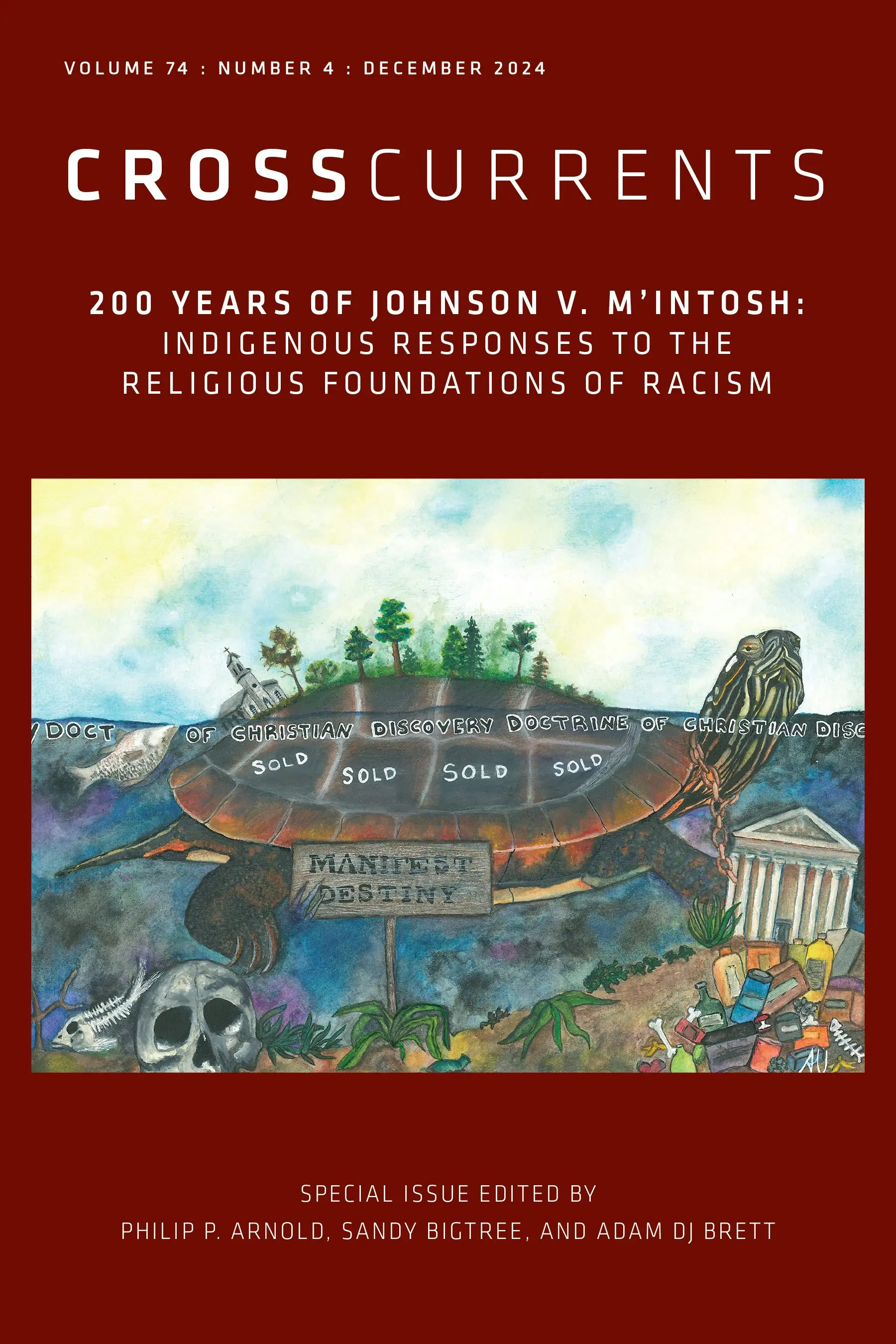
Produced through a partnership between The Association for Public Religion and Intellectual Life (APRIL), CrossCurrents, the Indigenous Values Initiative (IVI), and Syracuse University. In 2022 Syracuse University received a Henry Luce Foundation grant to support the work of Philip P. Arnold and the Indigenous Values Initiative’s Doctrine of Discovery Project. We received three years of funding for “200 Years of Johnson v. M’Intosh (JvM): Indigenous Responses to the Religious Foundations of Racism. This grant and project has been a collaborative initiative made possible through relationships developed over 30 years between academic and Indigenous communities. At its core, the project seeks to interrogate and critically examine connections between the Doctrine of Christian Discovery (DoCD), the Catholic Papal Bulls that undergird the Doctrine, and the Doctrine’s pernicious influence on United States Indian Law today. The 200th anniversary of JvM provided an excellent moment to challenge the theology and jurisprudence of the DoCD and this critical Supreme Court decision. The project delved into a range of products and written works such are included in this volume. The essays, podcasts, conference, and public outreach activities of the project grant have helped to raise awareness about the harmful impacts of the DoCD.
Published:
INTRODUCTION #
In 2022 Syracuse University received a Henry Luce Foundation grant to support the work of Philip P. Arnold and the Indigenous Values Initiative's Doctrine of Discovery Project (doctrineofdiscovery.org). We received three years of funding for "200 Years of Johnson v. M'Intosh (JvM): Indigenous Responses to the Religious Foundations of Racism." This grant and project has been a collaborative initiative made possible through relationships developed over 30 years between academic and Indigenous communities. At its core, the project seeks to interrogate and critically examine connections between the Doctrine of Christian Discovery (DoCD), the Catholic Papal Bulls that undergird the Doctrine, and the Doctrine's pernicious influence on United States Indian Law today.
The 200th anniversary of JvM provided an excellent moment to challenge the theology and jurisprudence of the DoCD and this critical Supreme Court decision. The project delved into a range of products and written works such are included in this volume. The essays, podcasts, conference, and public outreach activities of the project grant have helped to raise awareness about the harmful impacts of the DoCD.
About #
Our methods are guided by Haudenosaunee ideas of peace, the environment, and freedom and democracy. The Haudenosaunee have retained their pre-colonial matrilineal clan system of governance and remain among the last sovereign Indigenous peoples in the U.S., if not the world, who still govern themselves by their ancient ceremonial Longhouse practices according to "The Great Law of Peace." As such, we look to the Haudenosaunee as the forgotten founders of Western Democracy. In the Two Row Wampum Treaty, an agreement made between the Haudenosaunee and Dutch settlers in 1613, Haudenosaunee agreed to co-inhabit the land with European-Americans without interference on either side. The "silver covenant chain" used during the negotiations represented the intercultural understanding that required effort and attention by both people. The Two-Row Wampum is more than a treaty; it is living covenant that provides a theory and a method for how the values of the Haudenosaunee Confederacy can inform and enhance not only inter-Indigenous collaborations but also deep and abiding solidarity with and from non-Indigenous peoples.
Articles
200 Years of Johnson v. M'Intosh (JVM): Indigenous Responses to the Religious Foundations of Racism
In 2022 Syracuse University received a Henry Luce Foundation grant to support the work of Philip P. Arnold and the Indigenous Values Initiative's Doctrine of Discovery Project (doctrineofdiscovery.org). We received three years of funding for '200 Years of Johnson v. M'Intosh (JvM): Indigenous Responses to the Religious Foundations of Racism.' This grant and project has been a collaborative initiative made possible through relationships developed over 30 years between academic and Indigenous communities. At its core, the project seeks to interrogate and critically examine connections between the Doctrine of Christian Discovery (DoCD), the Catholic Papal Bulls that undergird the Doctrine, and the Doctrine's pernicious influence on United States Indian Law today.
 Philip P. Arnold
 Sandra Bigtree
 Adam DJ Brett
A poem is presented - It is a classic misinterpretation to refer to allNatives as always being in harmony withthemselves and their surroundings. As in, categorizing, denomination, caste, grade,order and grouping. With the above sentences in mind, I'll refer to only my people's past. We weren't always at peace or in harmony with ourselves and the earth. We struggled and fought with our own people. We suffered insult and reproach and turned toviolence in return for that insult and reproach.
 Sawatis Frushell
Statement on the Doctrine of Discovery
The Episcopal Church's commitment to justice and equality is challenged by its historical complicity in the Doctrine of Discovery. The Episcopal Diocese of Central New York acknowledges its presence on unceded lands of the Haudenosaunee Confederacy and seeks to repent for past injustices. Through dialogue and advocacy, the church aims to heal divisions and honor the dignity of all individuals. Refuting the Doctrine of Discovery is fundamental to the faith of TEC, despite past failures to fulfill vows. The diocese is actively working to amend its past complicity in injustice, recognizing the complexity and harm caused. The story of Rev. David Pendleton Oakerhater serves as a reminder of this complexity, as the church continues its work for justice and peace while praying for redemption.
 Bishop Dede Duncan-Probe
Cultivating a G.R.A.C.E. Mindset: Adaptive Leadership in the Evangelical Lutheran Church of America
The Evangelical Lutheran Church in America acknowledges and repents for its complicity in the harms of colonialism towards Native American and Alaska Native peoples. The church commits to undoing the ongoing evils of the Doctrine of Discovery and building right relationships with indigenous nations. The Upstate New York Synod confesses and repents for its complicity in the harm done to indigenous peoples and strives to strengthen anti-oppression efforts for justice and equity.
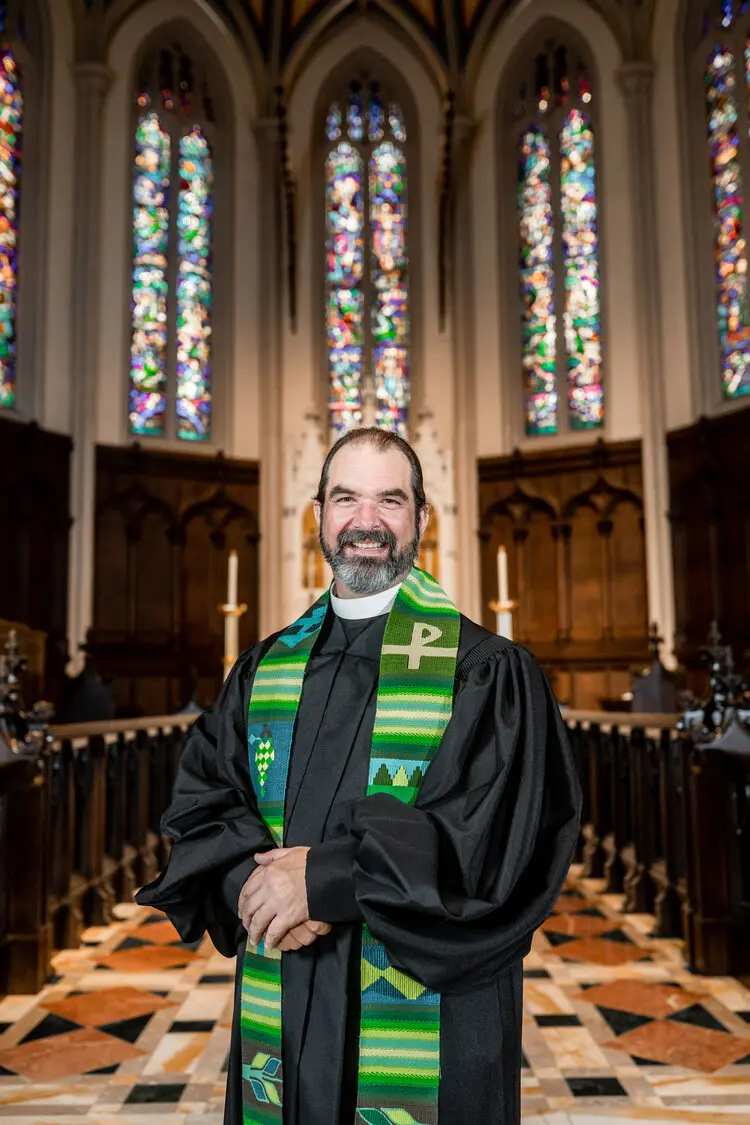 Rev Lee M. Miller II
The Catholic Church strives to promote universal fraternity and respect for the dignity of every human being, condemning acts of violence, oppression, and social injustice. While acknowledging past wrongs committed against indigenous peoples, the Church is committed to reconciliation, healing, and promoting the rights and cultural values of all individuals. The Church rejects the concept of the "doctrine of discovery" and upholds the inherent human rights of indigenous peoples, supporting principles outlined in the United Nations Declaration on the Rights of Indigenous Peoples.
Holy See Press Office
The Roots of Christian Nationalism Go Back Further Than You Think
The term "white Christian nationalism" has emerged in recent years to describe a worldview that has become central to the contemporary Republican Party. This ideology has deep roots in the Doctrine of Discovery, a series of papal bulls from the fifteenth century that claimed European civilization and Christianity were superior to all other cultures. This doctrine provided the moral and religious justification for European colonial conquest and the African slave trade. The contemporary white Christian nationalist movement is a continuation of this cultural stream that has run through America since the arrival of Europeans five centuries ago. To move forward, white Christians must confront their role in benefiting from this legacy of oppression and work towards repairing the damage done.
 Robert P. Jones
A poem is presented - We never strived to be your equals Or fought for that sameness of identity There was no reason for uprising Against your anthropocentric prototyped pattern Foreseen long before your arrival Because we had established equivalent equity Millennium prior to your pilgrimage of biblical conquest And your utopian misunderstanding of our communities And your fear of the unknown
Sawatis Frushell
Travelling Along the River of Life
Lyons discusses the journey in the Doctrine of Discovery, highlighting his experience presenting at the United Nations in 2001. He focuses on the history of the Haudenosaunee Confederacy, emphasizing the importance of peace and the responsibility to consider future generations. He also reflects on the impact of inequity, racism, and the need for change.
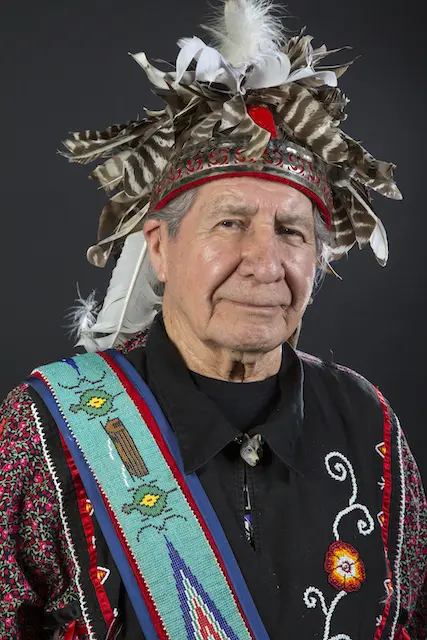 Oren Lyons
The Church needs to make commitments to undo the damage of instilling white superiority beliefs. Churches worldwide can be part of a campaign to change the effects of domination and undo the belief in white superiority. Healing is needed between Indigenous people and those seeking reconciliation after a difficult history. Efforts are being made to address the effects of the boarding school era on Native families. Apologies have been made, but change is necessary. Steps towards healing and recovery include admitting harmful beliefs, sharing with others, releasing emotions, and resolving not to harm others in the future. Being an ally and speaking up against hatred and threats to Native people is important.
 Whatweni:neh Freida J. Jacques
Comments on the Bishop's Panel: Transcription of Conference Presentation
Greetings to you all. I'm Haiwhagai'i, Onondaga Nation, Eel Clan. I have to start off with gratitude for seeing all of your faces here. It is a bit awkward for me to be sitting here on a panel with 3 bishops. It's true there is plenty of sin like was mentioned and more of it has come to the surface. We hear about the promises today and we heard about the confessions. We have to stick with the truth, and the truth of the matter is there is no trust.
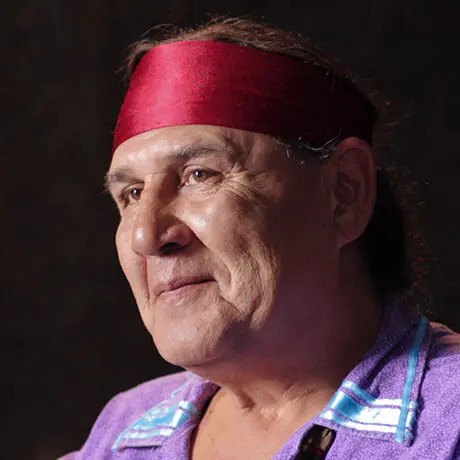 Jake Haiwhagai'i Edwards
On this Page
Information