
Outcome Documents for
200 Years of Johnson v. M’Intosh (JvM): Indigenous Responses to the Religious Foundations of Racism
This website is the official archive of the outcome publications from the Henry J. Luce Foundation Grant Funded project “200 Years of Johnson v. M’Intosh (JvM): Indigenous Responses to the Religious Foundations of Racism". Professor Philip P. Arnold was the PI on this project which ran from 2022-2024. Project activities included a conference, podcasts, and various types of publications.
Summary #
“200 Years of Johnson v. M’Intosh (JvM): Indigenous Responses to the Religious Foundations of Racism,” is a collaborative initiative made possible through relationships developed over 30 years between academic and Indigenous communities. At its core, the project seeks to interrogate and critically examine connections between the Doctrine of Christian Discovery (DOCD), the Catholic Papal Bulls that undergird the Doctrine, and the Doctrine’s pernicious influence on United States Indian Law today.
The 200th anniversary of JvM provides an excellent moment to challenge the theology and jurisprudence of DOCD and this critical Supreme Court decision. The project will deliver a range of digital products and written works combined with a host of public outreach activities to raise awareness about the harmful impacts of the DOCD and provide support for a global movement of Indigenous People’s that seek to repudiate it.

The Myth of Divine Right and the Doctrine of Discovery
And God said, Let us make man in our image, after our likeness: and let them have dominion over the fish of the sea, and over the fowl of the air, and over the cattle, and over all the earth, and over every creeping thing that creepeth upon the earth.So God created man in his own image, in the image of God created he him; male and female created he them.
 Kenneth Chestek

Part 1: The Origins of the Combahee River Collective Statement
Asia, Africa, and Europe all meet in the Americas to labor over the dialectics of free and unfree, but what of the Americas themselves and the prior peoples upon whom that labor took place?” ~Jodi Byrd, Transit of Empire: Indigenous Critiques of Colonialism
 Sarah Nahar
Part 2: The beginning of an Analysis of Settler Colonialism Emerges at AMC 2022
In the 1600s when enslaved Africans disembarked en masse and travel weary to this land mass, they arrived in a place where hundreds of Indigenous groups lived since time immemorial. Since that moment The majority of the interactions between Black people and Indigenous Peoples living in the so-called United States occur(red) in the bloody context of settler colonial imperialism.
Sarah Nahar
Part 3: Using the Doctrine of Discovery to Foreground an Analysis of Settler Colonialism
In the 1600s when enslaved Africans disembarked en masse and travel weary to this land mass, they arrived in a place where hundreds of Indigenous groups lived since time immemorial.1 Since that moment The majority of the interactions between Black people and Indigenous Peoples living in the so-called United States occur(red) in the bloody context of settler colonial imperialism.
Sarah Nahar
Part 4: Making Common Cause: Imagining Shared Futures
In the 1600s when enslaved Africans disembarked en masse and travel weary to this land mass, they arrived in a place where hundreds of Indigenous groups lived since time immemorial.1 Since that moment The majority of the interactions between Black people and Indigenous Peoples living in the so-called United States occur(red) in the bloody context of settler colonial imperialism.
Sarah Nahar
Documenting Domination: From the Doctrine of Christian Discovery to Dominion Theology
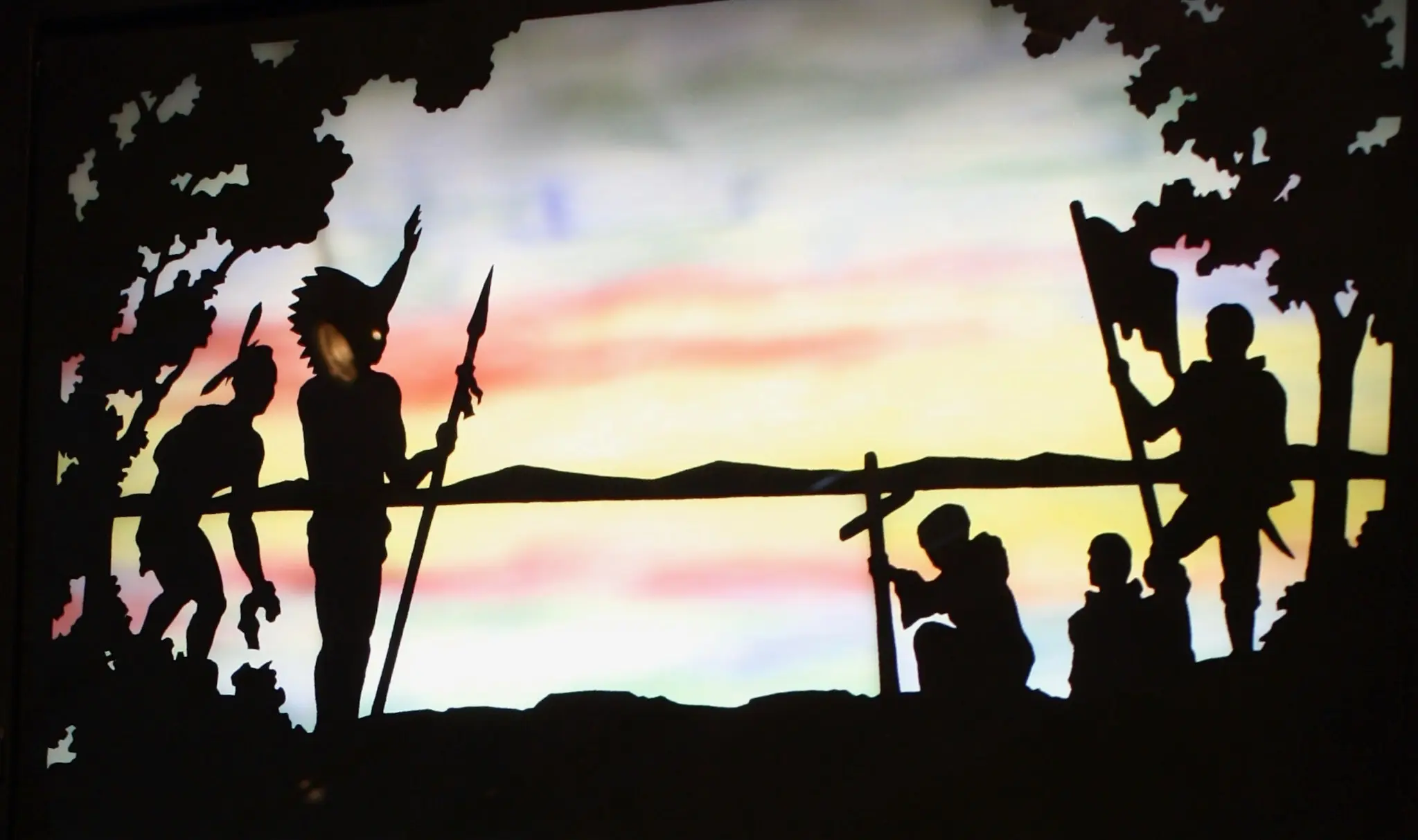
The Doctrine of Christian Discovery is a series of fifteenth-century papal bulls that served as the theological and legal justification for the colonization of the world and the enslavement of the Original Free Nations, starting first on the African continent before spreading across the globe. In the 1800s, these bulls and other documents like The Requerimiento and colonial charters would be codified and enshrined together in U.S. law as the Doctrine of Christian Discovery, becoming the foundation of property law and international law. Also, considering what Peter d’Errico calls Federal Anti-Indian Law, we will trace and document how this framework of domination began with the Catholic crowns of Europe and transformed into the dominion theology found within Christian nationalist theologies today. Our research highlights how the Doctrine became enshrined and encoded within Protestantism and the imagined “secular” of the U.S. and Canada, countries who rhetorically espouse separation of church and state while justifying land theft, treaty violations, and the abuse of Indigenous nations and peoples through the Doctrine. We craft a genealogy of Christian domination by carefully analyzing primary sources, especially the colonial charters. We will conclude by juxtaposing the domination framework and the Haudenosaunee Confederacy’s principles of the Gayanashagowa (Great Law of Peace).
 Betty Hill (Lyons)
 Adam DJ Brett
S05E04: Unveiling the Doctrine of Discovery: Historical Injustice and Pathways to Healing with Steven J. Schwartzberg
Welcome to the Mapping the Doctrine of Discovery podcast hosted by Philip P Arnold and Sandy Bigtree In this compelling episode we are honored to welcome Steven J Schwartzberg as our special guest Sch
Philip P. Arnold
Sandra Bigtree
Adam DJ Brett
S05E03: Reclaiming Faith: Dismantling white Christian Supremacy and Healing Through Indigenous Spirituality with Soulforce
Our hosts Philip P Arnold and Sandy Bigtree speak with Soulforce
Philip P. Arnold
Sandra Bigtree
Adam DJ Brett
Interim Report of the Special Rapporteur on Freedom of Religion or Belief
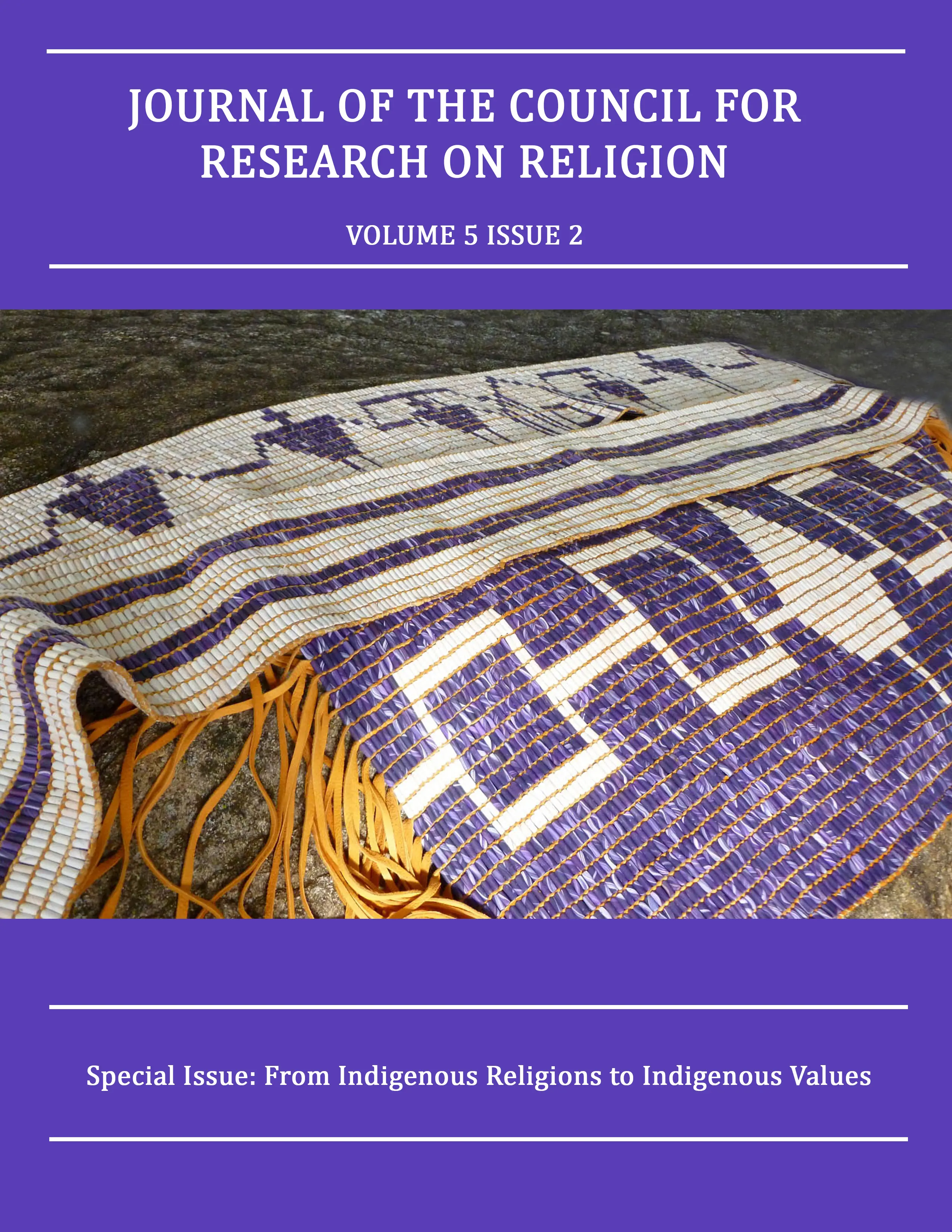
In the present report, the Special Rapporteur on freedom of religion or belief, Ahmed Shaheed, initiates a critical conversation within the United Nations system and beyond on obstacles and opportunities facing indigenous peoples’ freedom of religion or belief – a largely overlooked subject.
Ahmed Shaheed
Indigenous Values Initiative Together with the American Indian Law Alliance Submits this Report
The present report is the input provided by the Indigenous Values Initiative (IVI) and American Indian Law Alliance (AILA) in response to the new report drafted in 2022 by Ahmed Shaheed, the Special Rapporteur on Religious Freedom or Belief.
 Indigenous Values Initiative
 American Indian Law Alliance