
Outcome Documents for
200 Years of Johnson v. M’Intosh (JvM): Indigenous Responses to the Religious Foundations of Racism
This website is the official archive of the outcome publications from the Henry J. Luce Foundation Grant Funded project “200 Years of Johnson v. M’Intosh (JvM): Indigenous Responses to the Religious Foundations of Racism". Professor Philip P. Arnold was the PI on this project which ran from 2022-2024. Project activities included a conference, podcasts, and various types of publications.
Summary #
“200 Years of Johnson v. M’Intosh (JvM): Indigenous Responses to the Religious Foundations of Racism,” is a collaborative initiative made possible through relationships developed over 30 years between academic and Indigenous communities. At its core, the project seeks to interrogate and critically examine connections between the Doctrine of Christian Discovery (DOCD), the Catholic Papal Bulls that undergird the Doctrine, and the Doctrine’s pernicious influence on United States Indian Law today.
The 200th anniversary of JvM provides an excellent moment to challenge the theology and jurisprudence of DOCD and this critical Supreme Court decision. The project will deliver a range of digital products and written works combined with a host of public outreach activities to raise awareness about the harmful impacts of the DOCD and provide support for a global movement of Indigenous People’s that seek to repudiate it.
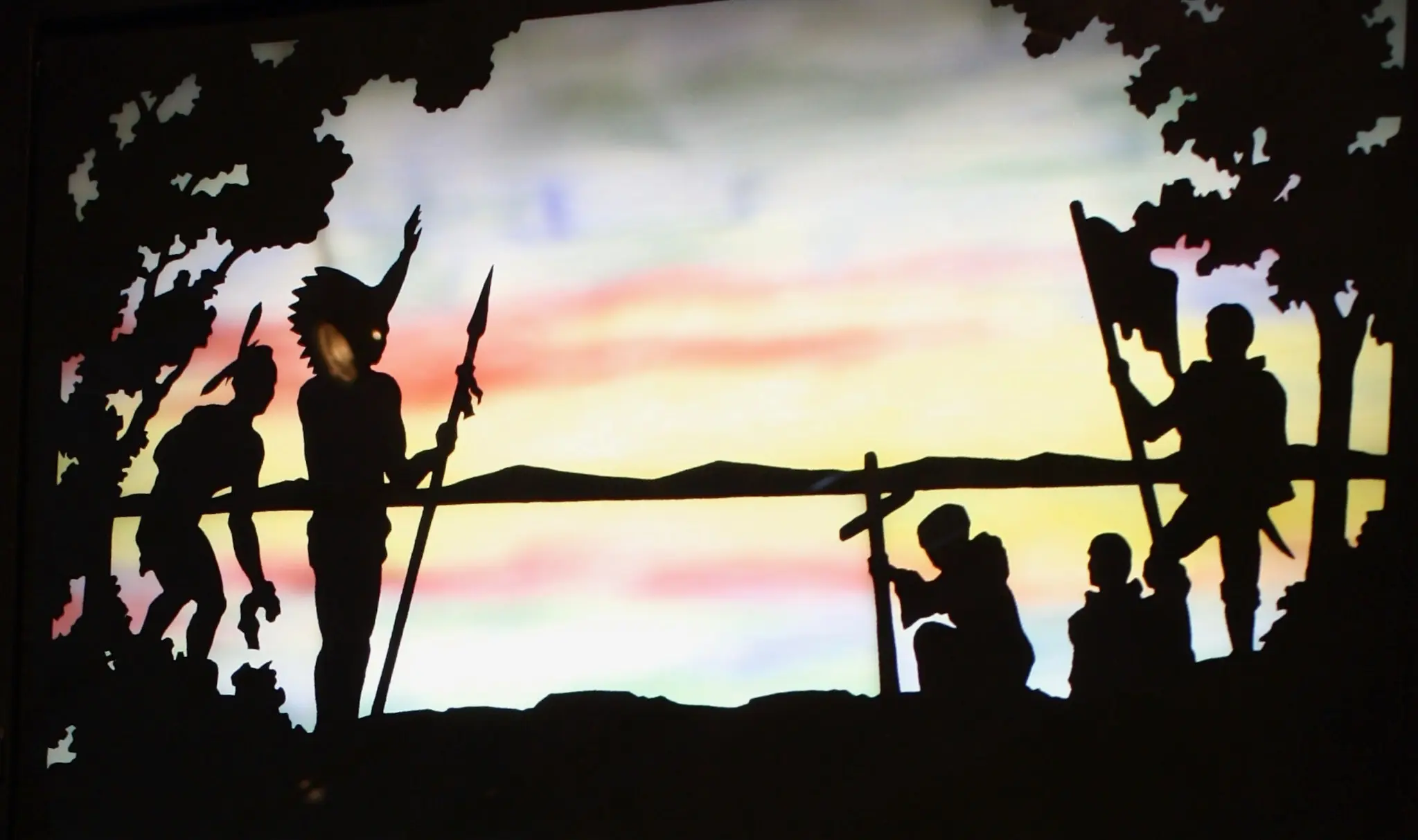
Ten Religious Themes of the Doctrine of Christian Discovery (DoCD) that Contrast with Indigenous Values
With issuance of 15th century Papal Bulls known as the Doctrine of Christian Discovery, religion has been used all over the world as a weapon against Indigenous Peoples and the land.With issuance of 15th century Papal Bulls known as the Doctrine of Christian Discovery, religion has been used all over the world as a weapon against Indigenous Peoples and the land.
 Philip P. Arnold
 Sandra Bigtree
City of Sherrill v. Oneida Indian Nation of New York
In March 2005, the U.S. Supreme Court handed down a decision in City of Sherrill, New York v. Oneida Indian Nation of New York. Sherrill is a case about land rights and sovereignty, and it raises the question what it means for an Indigenous nation to appeal to its colonizer to recognize its sovereignty over land that belonged to it before it was colonized.
 Dana Lloyd
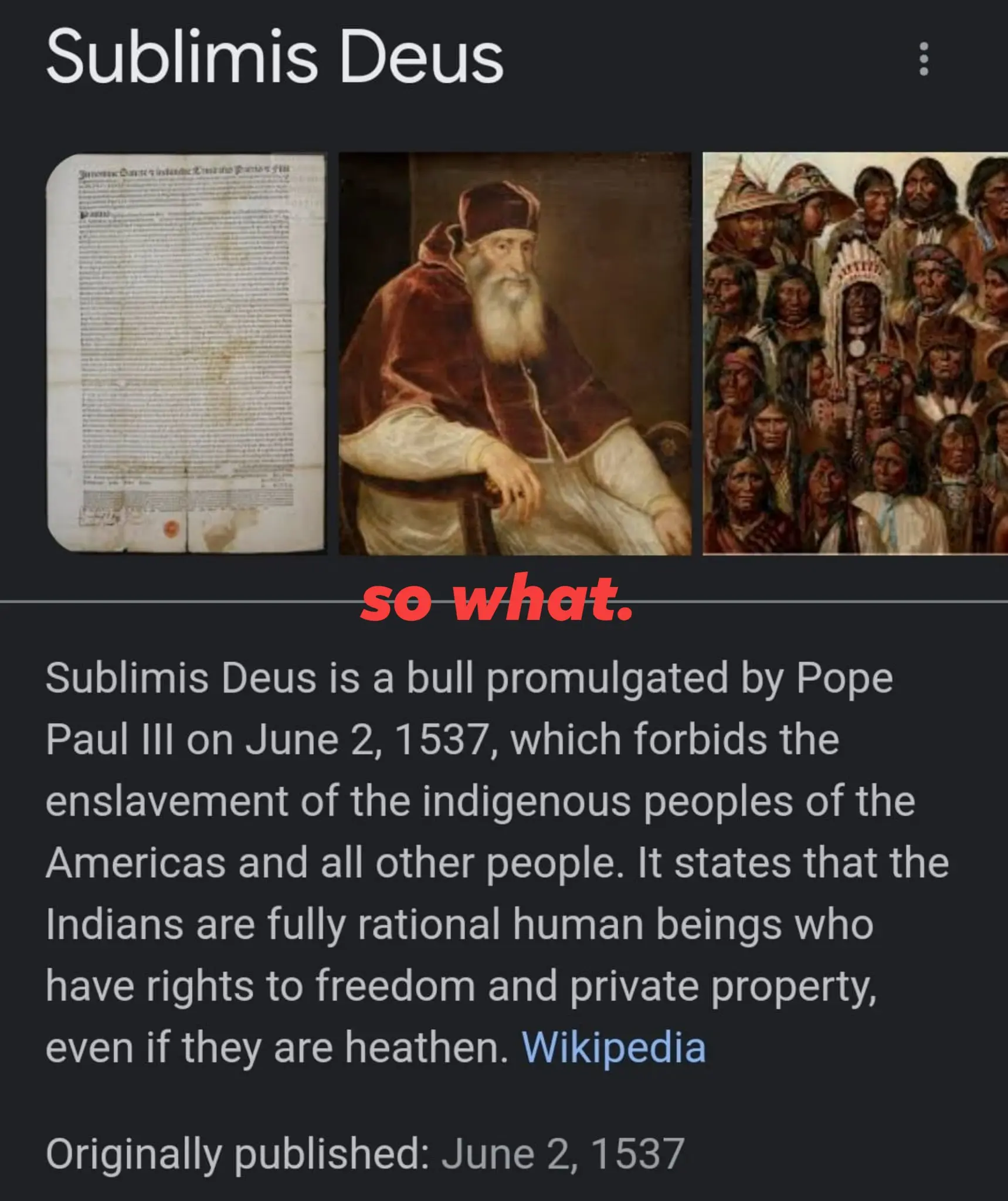
Sublimis Deus (Sublimis Dei)
Every few years, when the Doctrine of Discovery gets traction, someone raises the old chestnut of Sublimis Deus as apparent proof that the Catholic church did already rescind the Doctrine and therefore it’s not necessary. I should probably do a blog post that I can just repost.
 Tina Ngata

Sublimis Deus, Pastorale Officium and Non Indecens Videtur – A Historical Dive Into the Vatican’s Failure to Rescind the Doctrine of Discovery
In our journey of dismantling the Doctrine of Discovery and its horrible legacy, there is a recurring argument from the Catholic church and its supporters, that there is no need for the church to formally rescind, for it has already done so through the papal bull Sublimis Deus. I have previously provided a brief overview as to why this argument does not hold true, and for those who wish to dive a little deeper into this history, now offer further discussion below.
Tina Ngata
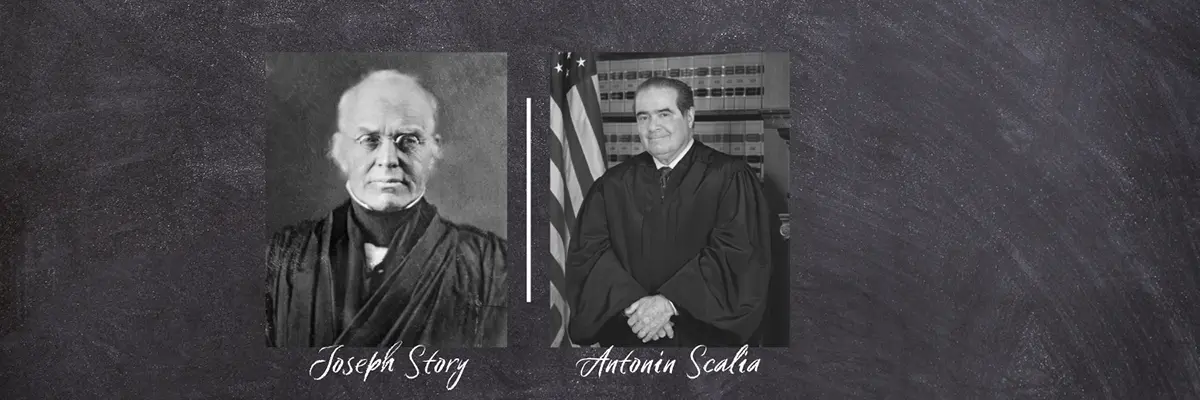
The U.S. Government’s Claim of a Right of Domination
Joseph Story is regarded as a genius and a giant in the legal profession. His continuing influence on American law was demonstrated for me some years ago when I attended a talk that Justice Antonin Scalia (1936-2016) delivered at the University of San Diego (USD) School of Law.
 Steven T. Newcomb
What Doctrine of Discovery Statements of Religious Repudiation Reveal
Nations formulate doctrines that define and guide their relations toward other nations. The Monroe Doctrine, and the Truman, Carter, and Bush Doctrines are American examples. As nations in Christendom in the 15th century had the wherewithal to explore the world by sea, popes formulated a doctrine to shape their relations with the lands and people the explorers would encounter.
 Arden Mahlberg
How we met the Doctrine of Discovery. A Maya commentary - Doctrine of Discovery
It was an ordinary evening on October 9, 2018 when, scrolling down my mouse wheel randomly looking at posts on Facebook something suddenly caught my attention: A post launched an invitation from the Mennonite Coalition for the Dismantling of the Doctrine of Discovery to join a Christian lament in the United States. The post invited lamenting of the Doctrine of Discovery (DD) and encouraged reflection on its consequences for the lives of Indigenous Peoples today.
 Manuel May Castillo

City of Sherrill v. Oneida Indian Nation, 544 U.S. 197 (2005): THE DOCTRINE OF CHRISTIAN DISCOVERY AND DOMINATION AND THE DENIAL OF TREATY RIGHTS
This shameful, land mark decision by the Supreme Court was issued just three weeks after the filing of the Onondaga Nation’s Land Rights Action. It was a remarkable decision in several ways and although it was not a land claim or a land rights action, it resulted in negative impacts on the Haudenosaunee land cases, as it has been used as the excuse to dismiss the then pending Oneida, Onondaga and Cayuga land rights cases.
 Joseph J. Heath

Reappraising the Doctrine of Discovery
Again, were we to inquire by what law or authority you set up a claim [to our land], I answer, none! Your laws extend not into our country, nor ever did. You talk of the law of nature and the law of nations, and they are both against you. ~ Corn Tassel (Cherokee, 1785)
David E. Wilkins, Ph.D
Indigenous Consent: A Right Rooted in the Doctrine of Discovery
Indians being the prior occupants, possess the right to the soil. It cannot be taken from them unless by their free consent…. To dispossess them in any other principle, would be a gross violation of the fundamental laws of nature” (Henry Knox, Secretary of War, 1789).
 Urszula Piasta Mansfield